
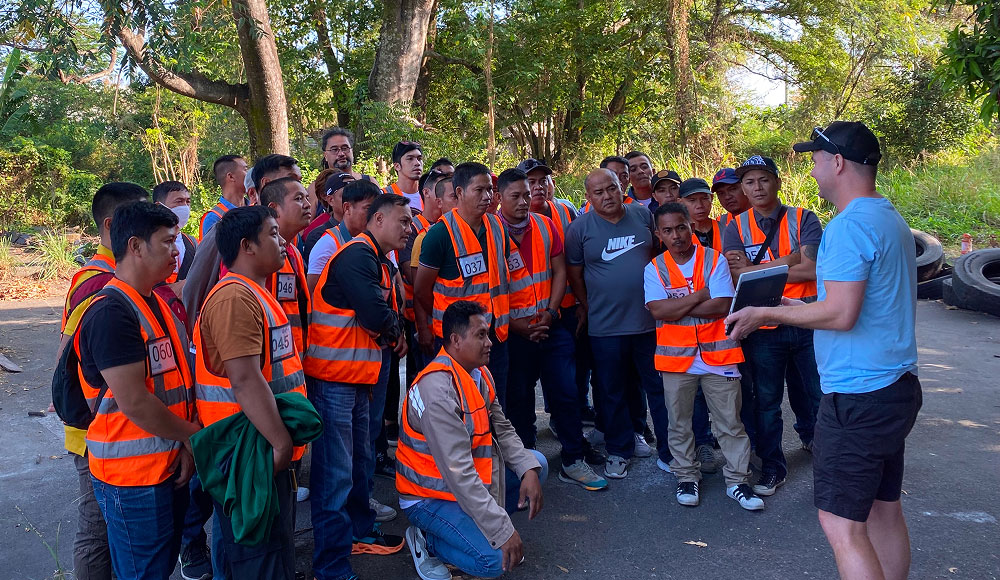
Australian employers are increasingly turning to the Philippines to fill persistent skills shortages. From aged care and trades to logistics and hospitality, Filipino workers are helping businesses stay productive and competitive.
But hiring from the Philippines isn’t like hiring locally. There are important legal, ethical and procedural steps you must follow. This guide walks you through how to do it right and why it pays to do so.
Why hire from the Philippines?
Filipino workers are highly sought after for several reasons:
- Strong work ethic – loyal, team-oriented, and reliable
- English fluency – reduces training time and improves communication
- Vocational strength – over 500,000 tertiary graduates each year, plus global experience
- Cultural fit – adaptable, respectful of safety systems and workplace hierarchy
These attributes make Filipino workers ideal for roles across sectors.
Step 1: Use a licensed recruitment agency
Under Philippine law, you must work with a recruitment agency that is licensed by the Department of Migrant Workers (DMW), formerly known as the POEA.
Direct hiring is prohibited in almost all cases unless you fall under a rare exemption.
Working In only partners with government-accredited agencies in the Philippines, ensuring that every hire is 100% compliant and protected under both Philippine and Australian law.
Step 2: Partner with an OMARA Registered Migration Agent
In Australia, all immigration advice and visa processing must come from a Registered Migration Agent — also known as a MARA agent.
They ensure your business meets legal requirements, and that workers are recruited under the correct visa subclass — typically the TSS 482, DAMA or ENS 186 visa.
By partnering with Working In, you get both: International Recruitment experts and Registered Migration Agents working together under one roof as a single source of accountability.
Step 3: Plan for timelines
Hiring from the Philippines isn’t an overnight process. You’ll need to factor in:
- Labour market testing
- Sponsorship approval
- POEA/DMW job order validation
- Visa application and relocation
Average lead time: 3 to 6 months. Starting early means you can align arrivals with your peak workloads or project start dates.
Step 4: Follow ethical recruitment standards
Australian law forbids passing visa or recruitment costs onto the worker. That means:
- No pay-to-play
- No hidden deductions
- No offshore “agents” charging illegal fees
Unfortunately, some offshore providers still engage in these practices which can leave workers in debt and employers exposed to reputational and legal risk.
Working In ensures every worker:
- Pays no illegal fees
- Receives plain-English contracts outlining terms, pay and support
- Is recruited through government-compliant pathways
Ethical recruitment protects everyone and leads to better long-term retention.
Step 5: Check visa eligibility by role
Not every role qualifies for sponsorship, but there are more options than you might think:
- TSS 482 visa for skilled roles
- DAMA pathways for semi-skilled and regional jobs
- ENS 186 for direct permanent residency
We assess your business needs and recommend the right strategy ensuring the role, pay and candidate all align with immigration requirements.
Step 6: Support family and settlement
Many Filipino workers are looking to build a life, not just land a job. If you support pathways to permanent residency, family sponsorship and relocation, you’ll boost retention and create a stronger team culture.
At Working In, we assist with:
- Flights, airport pickup and temporary accommodation.
- Banking, mobile, and community set-up.
- Cultural Integration.
- Long-term visa and PR planning.
It’s good for your team, and even better for your business.